Empowering Decisions
Through
Process Simulation
Make Smart Decisions
At Doug McDee Strategists, we help organizations make smarter decisions in a world defined by complexity.
Through advanced simulation and systems thinking, we transform uncertainty into clarity—revealing how choices ripple through your operations, markets, and strategy.
We build dynamic models that let you explore scenarios, test assumptions, and understand the true impact of your decisions before you make them. The result: faster alignment, reduced risk, and strategies that stand up to real‑world complexity.
Clarity in Complexity
In a world of constant change, organizations need more than data — they need understanding.
Many businesses struggle to see how processes, systems, people, and decisions interact across the organization. As a result, changes are often implemented without a full view of their impact, increasing risk and limiting performance.
Using a unique combination of Business Architecture and Digital Business Twin technology, we enable organizations to:
Visualize and understand their business landscape
Simulate and assess the impact of change before execution
Improve alignment between strategy, operations, and technology
Make better-informed decisions with greater speed and confidence
So organizations can make better decisions — faster and with less risk.

Model Before You Change
Making changes to an organization can be costly, disruptive, and risky. Without a clear understanding of the potential impact, even well-intended decisions can lead to unexpected consequences.
That's why we use modeling to create a digital representation of your business.
By capturing the relationships between processes, systems, capabilities, data, and people, we provide a clear and structured view of how your organization operates.
This enables you to:
Explore and validate change initiatives before implementation
Assess the impact of strategic and operational decisions
Compare alternative scenarios and outcomes
Reduce risk and increase decision confidence
Optimize business performance and transformation efforts
Instead of learning through trial and error, organizations can make informed decisions based on evidence and insight.
From Reality to Insight
Building a business model is about translating the complexity of the real world into a structured and understandable representation.
This involves:
Mapping the organization and its operating environment
Defining the right level of detail and abstraction
Identifying the key stakeholders, processes, systems, and capabilities
Capturing the relationships that drive business outcomes
The result is a trusted foundation that enables organizations to analyze, simulate, and optimize before implementing change in the real world.
A Safe Space for Better Decisions
Modeling creates a risk-free environment where organizations can explore change before making it a reality.
Test ideas, compare scenarios, learn from mistakes, and optimize outcomes—all before implementation.
By understanding the consequences of decisions in advance, organizations can reduce risk and move forward with confidence.

Make better decisions, faster and with less risk.
-
Make better decisions, faster and with less risk. -
Business Cases
Smart Transportation Planning
Client
A leading Dutch food distributor managing over 600 trucks and 3,000+ daily truckloads, connecting producers and retailers across the supply chain.
Challenge
With thousands of deliveries every day, transportation planning involved complex decisions:
Which routes are most efficient?
Which orders should be combined?
What vehicle and driver should be assigned?
How can fleet utilization be optimized while reducing costs?
Solution
We developed a Business Model and Agent-Based Model (ABM) that digitally represented the transportation network, including locations, vehicles, drivers, capacities, operational constraints, and cost structures.
The model continuously evaluated planning scenarios and automatically identified the most efficient routes and resource allocations, integrating directly with the Transportation Management System (TMS).
Results
45% reduction in transportation operational costs
52% reduction in planning labor costs
Improved fleet utilization
Faster and more accurate planning
Business Impact
By modeling the transportation ecosystem before execution, the organization transformed complex planning into a data-driven optimization process, achieving significant cost savings and operational efficiency.

Consumption-Based Forecasting
Client
A leading international food and non-food retailer operating 800 stores across 9 countries, with an active assortment of more than 200,000 products supplied through a central warehouse and regional distribution hubs.
Challenge
The organization wanted to leverage consumption data and big data analytics to improve demand forecasting, reduce inventory costs, and maintain product availability.
Key questions included:
How can forecasting accuracy be improved?
Which data sources have the greatest predictive value?
How can stock levels be optimized without increasing out-of-stock situations?
Solution
We developed a consumption-based forecasting model that combined historical sales data with multiple internal and external data sources.
Using simulation techniques, different forecasting parameters were evaluated for product categories and item groups. The optimal forecasting settings were then automatically applied to the ERP system to improve replenishment planning and inventory management.
Results
12% reduction in warehouse inventory costs
1.5% reduction in out-of-stock situations
Improved forecast accuracy
Better inventory availability across the supply chain
Business Impact
By combining business modeling with advanced forecasting techniques, the retailer gained a more accurate view of future demand, enabling lower inventory costs while improving product availability for customers.
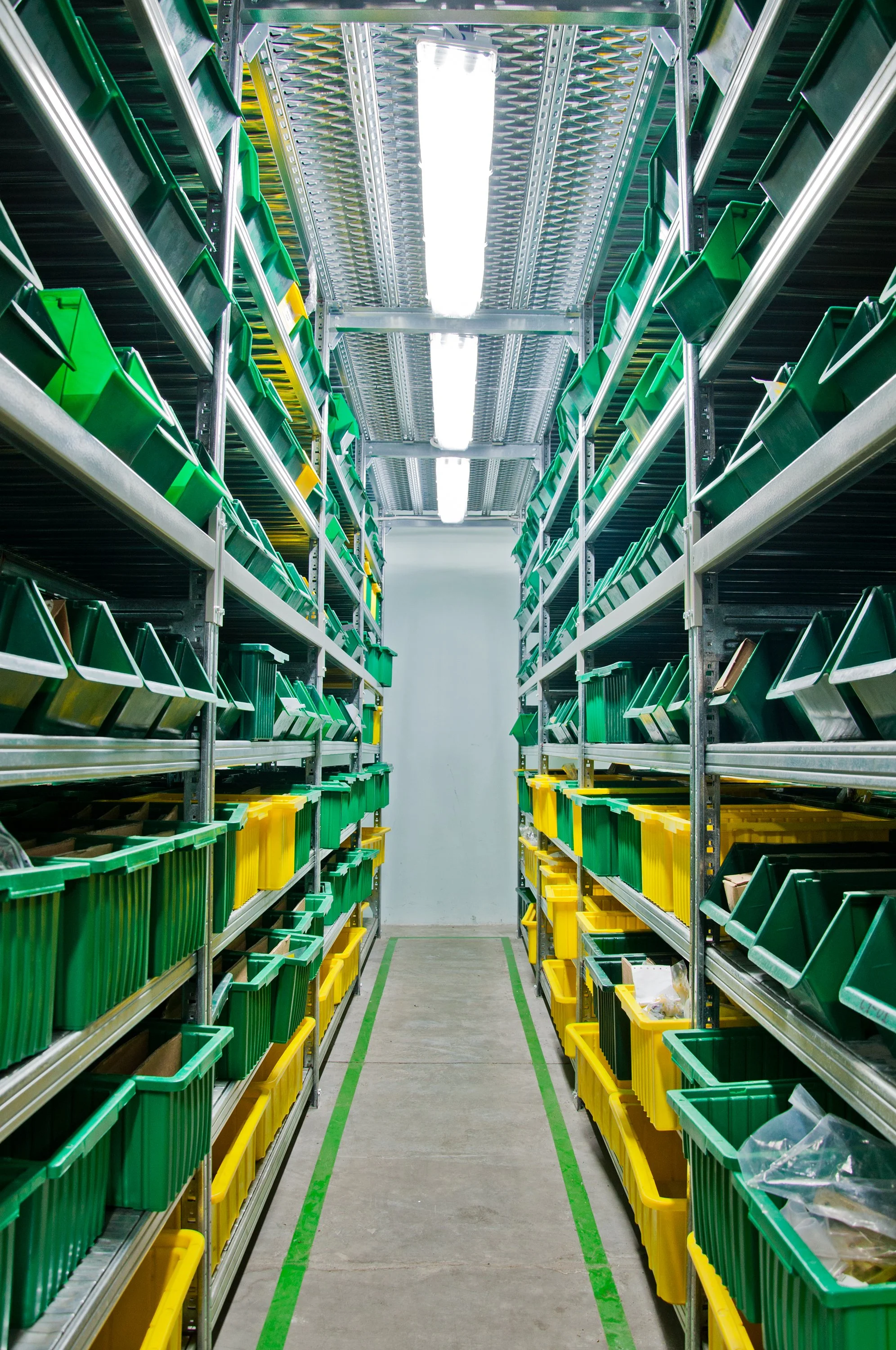
Thoughtfully crafted to elevate what matters most.
-
Thoughtfully crafted to elevate what matters most. -

Straight-Through Processing
Client
A pension services organization managing personal financial records for more than 2 million consumers, operating through a landscape of semi-integrated legacy systems.
Challenge
The organization aimed to increase process control, reduce manual interventions, and accelerate file processing while continuing to leverage existing legacy systems.
Key objectives included:
Improving end-to-end process visibility
Increasing automation through Straight-Through Processing (STP)
Integrating modern technologies without replacing core legacy systems
Improving processing quality and efficiency
Solution
We created process models for all major business scenarios and implemented a Business Process Management System (BPMS) to orchestrate and monitor end-to-end workflows.
The BPMS was connected to middleware and legacy applications, enabling:
Automated processing triggered by incoming files and events
Real-time orchestration across legacy systems
End-to-end process monitoring and control
Smart business rules to support automated decision-making and future AI capabilities
Results
Processing time reduced from 5 days to 2 days
65% increase in First-Time-Right processing
Improved process transparency and control
Reduced manual handling and operational risk
Business Impact
By applying business modeling and process orchestration, the organization transformed fragmented processes into a streamlined, automated operation. The result was faster service delivery, higher quality processing, and a solid foundation for future automation and AI-driven decision-making.
Let’s Work Together